How to Get Rid of Varicose Veins Without Surgery: Treatments That Actually Work
Medically reviewed by Dr. Richard Fox
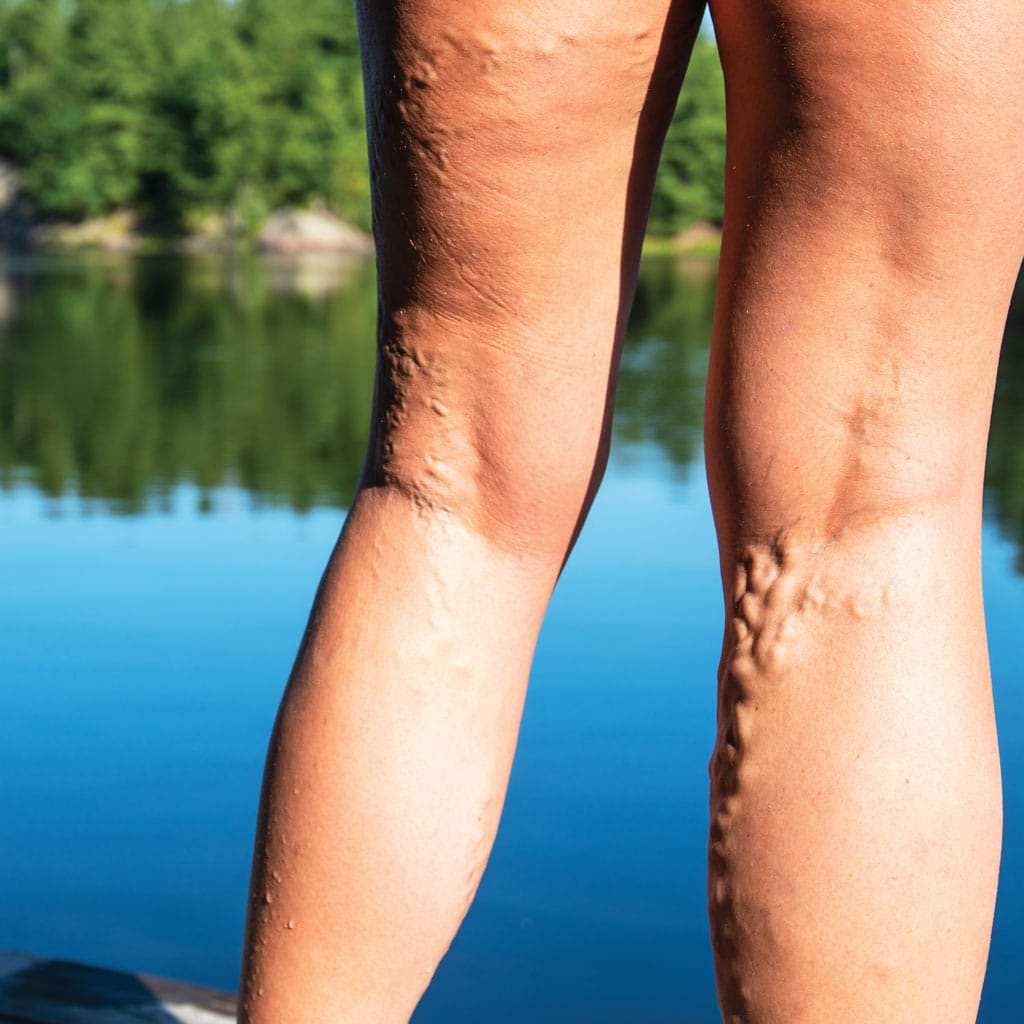
If you’ve been hiding your legs all summer because of bulging, twisted veins — you’re not alone. And the good news? Getting rid of varicose veins no longer means going under the knife.
Varicose veins affect an estimated 1 in 3 adults, and for many people, they’re more than just a cosmetic concern. Aching, heaviness, swelling, and even skin changes can make everyday life uncomfortable. The old-school treatment — vein stripping surgery — sounds exactly as unpleasant as it is. But today, there is a whole range of minimally invasive and non-surgical varicose vein treatments that are safe, effective, and require little to no downtime.
What causes varicose veins?
Varicose veins develop when the small valves inside your veins stop working properly. These valves are supposed to push blood toward the heart, but when they weaken or fail, blood pools in the vein, causing it to stretch, bulge, and become visible under the skin. Genetics, prolonged standing, pregnancy, and age are the biggest risk factors.
Common symptoms include visible bulging veins, aching or heavy legs, swelling in the ankles, itching around the vein, skin discoloration, and nighttime leg cramps.
Not all varicose veins require treatment. However, if yours are causing pain or are getting worse, waiting it out rarely helps. The earlier you treat them, the simpler the solution tends to be.
Non-surgical vein treatments that work
Modern minimally invasive varicose vein treatments are performed in-office, usually in under an hour, with most patients walking out the door and returning to normal activities the same day or the next. Here are the most proven options.
Sclerotherapy involves injecting a solution directly into the vein, causing it to collapse and fade over time. It’s ideal for smaller varicose and spider veins. Multiple treatment sessions may be needed depending on the extent of the problem.
Endovenous laser ablation (EVLA), or radiofrequency ablation (RFA), uses a thin laser fiber inserted into the vein to deliver targeted heat energy, sealing it shut. It’s very effective for larger varicose veins and has high long-term success rates.
VenaSeal™ Medical Adhesive is a state-of-the-art technique that seals the damaged vein and diverts blood flow back to healthy veins. This treatment takes less than an hour. Results can often be seen immediately.
Foam sclerotherapy (Varithena ™) is a foam-based version of traditional sclerotherapy that is better suited for larger varicose veins. The foam displaces blood in the vein, allowing for more effective contact with the vein wall.
What about compression stockings?
Compression stockings are often the first line of defense when the pain from varicose veins starts. They improve circulation, reduce swelling, and can significantly relieve symptoms like aching and heaviness. They won’t make varicose veins disappear, but they’re a helpful way to manage symptoms and may be required before insurance will cover other treatments.
That said, if your veins are progressing or causing real discomfort, stockings alone aren’t a long-term fix.
What to expect from minimally invasive treatment
One of the biggest myths about varicose vein treatment is that it’s a big ordeal. In reality, most procedures at a vein clinic take 30–60 minutes, are performed with local anesthetic, and have minimal side effects. You might experience mild bruising, tenderness, or a tight sensation in the days following treatment, but most people are back on their feet right away.
In many cases, varicose vein treatment in Boulder, CO, is covered by health insurance — especially when the veins are causing physical symptoms such as pain, swelling, or skin changes. A consultation with a vein specialist can help determine your coverage.
How do I know which treatment is right for me?
There is no one-size-fits-all answer — it depends on the size and location of your varicose veins, your symptoms, and your overall health. A vein specialist will typically start with a duplex ultrasound, a painless imaging test that maps the blood flow in your legs and pinpoints which veins are malfunctioning. From there, they’ll recommend the most appropriate treatment plan.
If you’re in the Boulder, CO area, getting a vein evaluation is easier than you might think — and it starts with a simple consultation.
Frequently asked questions
Will varicose veins come back after treatment? Treated veins are generally permanently closed. New varicose veins can develop over time — especially if underlying risk factors like genetics or prolonged standing are present. Follow-up care and compression can help.
Is non-surgical vein treatment painful? Most patients describe the procedures as mildly uncomfortable at most. Local anesthesia is used, and discomfort is typically minimal during and after treatment.
How many treatments will I need? It depends. Treatment can vary from patient to patient depending on the number or degree of abnormal veins requiring treatment. Some patients see results after one session; others need two or three, particularly for sclerotherapy on multiple smaller veins.
Can I exercise after varicose vein treatment? Light walking is actually encouraged immediately after treatment to promote circulation. More intense exercise is typically resumed within a week depending on the procedure.
Varicose Vein Treatment in Boulder, CO
Our experts at Boulder Vein Center specialize in a wide array of venous insufficiency conditions. We treat some of the most common vein problems using techniques that avoid the pitfalls of surgery in addition to more complicated venous issues. Call Boulder Vein Center today to schedule your vein consultation.